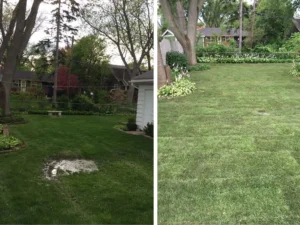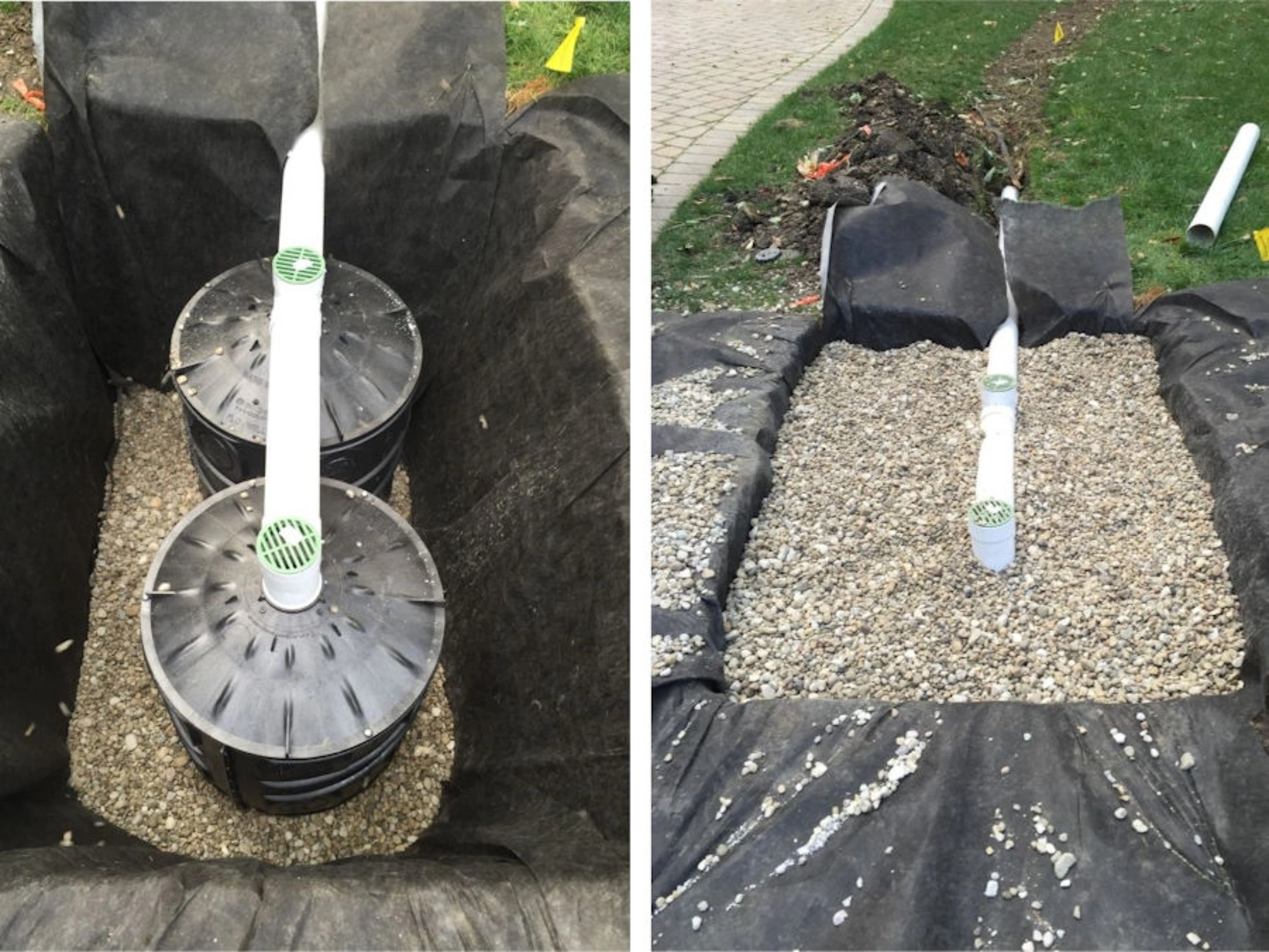
Excess water in yards and around homes has long pushed homeowners to find practical solutions to protect their properties from pooling, saturation, and moisture-related damage. One method that has remained widely trusted since the 1850s is the French drain, a name made popular by Henry Flagg French, whose work helped bring this system into everyday use. Despite the name, it isn’t French at all, and is also commonly known by several modern terms, such as subsurface drain, trench drain, or gravel drain. With its name and origins now clearer, let’s take a closer look at what a French drain actually is and how it works.
Brief Breakdown Of French DrainsA French drain is a gravel-filled trench with a perforated pipe that redirects excess water away from problem areas. Water enters through the gravel, flows into the pipe, and moves downhill to a safe outlet. This system prevents standing water, erosion, flooding, and foundation damage. Various types exist, and choosing the right one depends on site conditions, often requiring guidance from professional yard drainage contractors. |
What Is A French Drain?
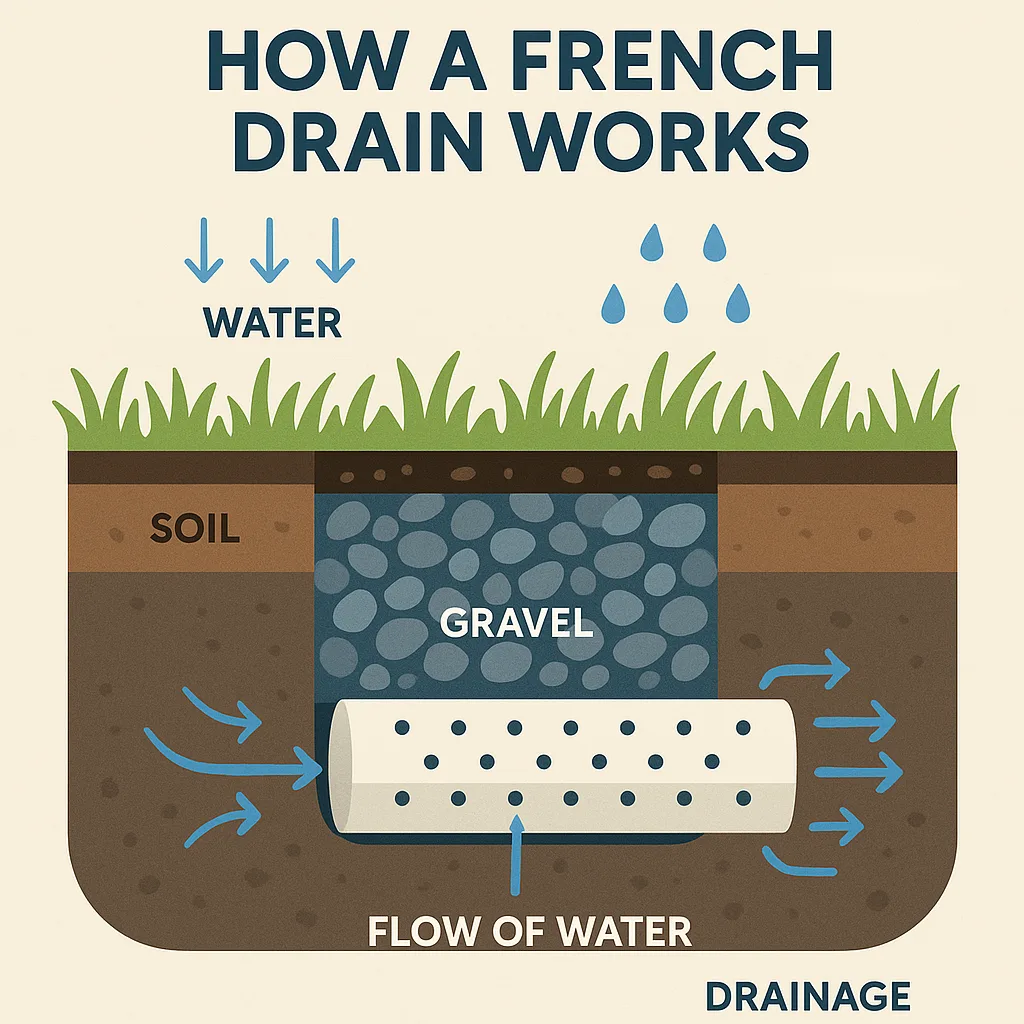
A French drain is a simple, highly effective drainage system that redirects water away from areas where it tends to collect. It consists of a trench filled with gravel, inside which a perforated pipe is placed to guide water through the ground and toward a safer discharge point. Because the system sits below the surface, it blends seamlessly into the landscape while quietly managing excess moisture. French drains are commonly installed around foundations, in water-prone yards, or alongside retaining walls to prevent soil saturation, structural stress, and long-term moisture problems.
How Does It Work, And How Does It Protect Your Outdoor Living?
1. Water Enters Through A Gravel-Filled Trench
A French drain starts with a sloped trench filled with gravel or crushed stone. Because gravel has lots of gaps, water easily flows into it from the surrounding soil.
2. A Perforated Pipe Carries The Water
Inside the gravel, there’s a perforated pipe (a pipe with small holes). When groundwater or surface water enters the trench, it naturally flows into the pipe through these holes.
3. Gravity Moves The Water
A French drain always has a slight downward slope, usually 1 inch of drop per 8–10 feet. This slope lets gravity do the work, pulling water through the pipe toward a safe outlet.
4. Water Is Redirected To A Safe Discharge Point
Once inside the pipe, water travels away from the problem area and is released into:
- A dry well
- A storm drain (where allowed)
- A drainage ditch
- A lower part of the property
This prevents water from pooling around foundations, lawns, or driveways.
5. Optional Filter Fabric Prevents Clogging
Many modern French drains wrap the pipe and gravel in landscape fabric. This stops dirt from getting inside and clogging the system, keeping the drain efficient for years.
How Does It Protect Your Outdoor Living?
- Prevents Standing Water: It redirects excess rainwater underground so it doesn’t pool on your lawn, patio, pathways, and home foundations, reducing the risk of cracks, shifting, or moisture damage. This is especially important if you plan to upgrade your outdoor space with new hardscape, as paver installation contractors often recommend proper drainage before any patio or walkway installation.
- Stops Soil Erosion: By channeling water away, it prevents soil from washing away and keeps your landscaping stable.
- Keeps Outdoor Spaces Usable: Your yard stays dry and safe, making outdoor living areas more comfortable after heavy rain.
- Reduces Flood Risk: It lowers the chance of basement seepage or backyard flooding by guiding water to a safe drainage outlet.
- Prevents Plant Damage: Plants and grass stay healthy because their roots aren’t overwhelmed by excess water.
Types Of French Drains
Here are the types of French drains:
- Surface French Drain (Shallow Drain): A shallow trench with gravel or perforated pipe that collects surface-level water from soggy lawns or low spots.
- Deep French Drain (Subsurface Drain): Placed deeper underground to manage groundwater and prevent water from saturating soil around structures.
- Footing/Perimeter French Drain: Installed around a home’s foundation to keep water away from basement walls and reduce seepage or structural damage.
- Curtain Drain: A shallow interceptor drain placed uphill to stop water before it reaches your yard, house, or landscaping.
- Interior French Drain: A French drain system installed inside a basement along the perimeter to channel seepage to a sump pump.
- Gravel-Free / Prefabricated French Drain: Uses a pipe pre-wrapped in fabric or artificial aggregate, offering faster, lighter installation without heavy gravel.
- Filter Drain: A perforated pipe wrapped in filter fabric and gravel that filters out soil while directing water away.
- Fin Drain: A narrow vertical strip drain that collects water through a thin “fin” and channels it quickly into a pipe.
Even with several types available, homeowners often weigh traditional options too, leading to common comparisons like French drains vs. dry wells: best yard drainage solution when deciding how to manage excess water effectively.
Conclusion
The drain type choice depends on factors such as the area to be drained, water volume, soil conditions, and local regulations. For more complex or recurring drainage problems, getting professional guidance from the best Yard Drainage Contractor is essential to ensure the system is designed and installed correctly.
At My Landscape Contractor, we specialize in diagnosing drainage issues, designing customized solutions, and installing long-lasting systems, from French drains to grading corrections and more. Our team ensures your yard stays dry, stable, and protected year-round, giving you a safer and more functional outdoor space.
Schedule a consultation with My Landscape Contractor to determine the right French drain solution for your property!
Frequently Asked Questions
1. How deep should a French drain be?
Installers typically place most French drains 18 to 36 inches deep, depending on the water volume and surrounding landscape. For foundation protection, they position the drain at or slightly below the footing level to effectively capture groundwater.
2. Can French drains freeze in winter?
Yes, French drains can freeze in extremely cold climates, especially if they are shallow or poorly sloped. However, installing them below the frost line, ensuring proper slope, and using clean, well-draining gravel reduces the risk of freezing and blockage.
3. How long do French drains last?
A well-installed French drain can last 30 to 40 years, and sometimes longer. Its lifespan depends on the quality of materials, soil conditions, and proper system maintenance. Using filter fabric and clean gravel helps prevent clogging and extends its durability.
4. How far from a building should a French drain be installed?
Installers typically place French drains 3 to 6 feet away from the foundation. This distance allows the drain to capture water before it reaches the building while still being close enough to effectively protect the structure.
5. Do French drains work in clay soil?
Yes, French drains can work in clay soil, but they often require additional measures because clay drains water slowly. Using extra gravel, ensuring a proper slope, and adding a filter fabric or additional drainage channels helps the system perform effectively in heavy clay conditions.