When it comes to protecting your home from water damage, most homeowners think of gutters, roofing, or drainage systems, but one of the most powerful defenses is proper yard grading. The slope of your landscape determines where rainwater travels, how long it lingers, and if it quietly seeps into your foundation or safely drains away. Done right, yard grading forms an invisible shield around your home, preventing costly structural issues, mold growth, and basement flooding. In this blog, you’ll learn how to spot the signs of poor yard grading around your home and understand the crucial role a properly graded landscape plays in preventing water damage.
Protecting Your Home with Proper Yard GradingProper yard grading is essential to protect homes from water damage. By directing rainwater away from foundations, it prevents basement leaks, mold growth, soil erosion, and structural issues. Well-planned grading enhances stormwater management, preserves landscaping, and stabilizes foundations. Partnering with a skilled team ensures customized solutions that safeguard your home and maintain long-term property stability. |
What Is Yard Grading?
Yard grading is the process of shaping and leveling the land around your home to ensure proper water drainage. It involves creating a slope that directs rainwater and runoff away from the foundation, preventing water from pooling near the house. The slope is usually gentle, with a recommended drop of at least 6 inches for the first 10 feet away from the foundation. Proper grading of landscape drainage considers both the natural landscape and any modifications made during landscaping or construction.
The purpose of house grading is to control the flow of surface water and reduce the risk of water-related damage, including foundation cracks, basement flooding, soil erosion, and mold growth. It also contributes to healthier lawns and gardens by preventing waterlogging and soil compaction.
There are different types of yard grading techniques, including:
- Sloping or Positive Grading: The ground slopes away from the home, guiding water to designated drainage areas.
- Swales and Channels: Shallow, landscaped depressions that carry water away from critical areas.
- Retaining Walls and Berms: Structures that help redirect water or prevent soil erosion on uneven terrain.
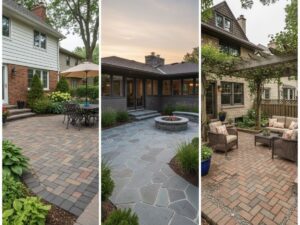
By pairing proper yard grading with skilled paver patio contractors, you can have a functional outdoor space that stays safe and dry all year round.
How to Identify Poor Yard Grading Around Your Home
Here are the key indicators to watch for:
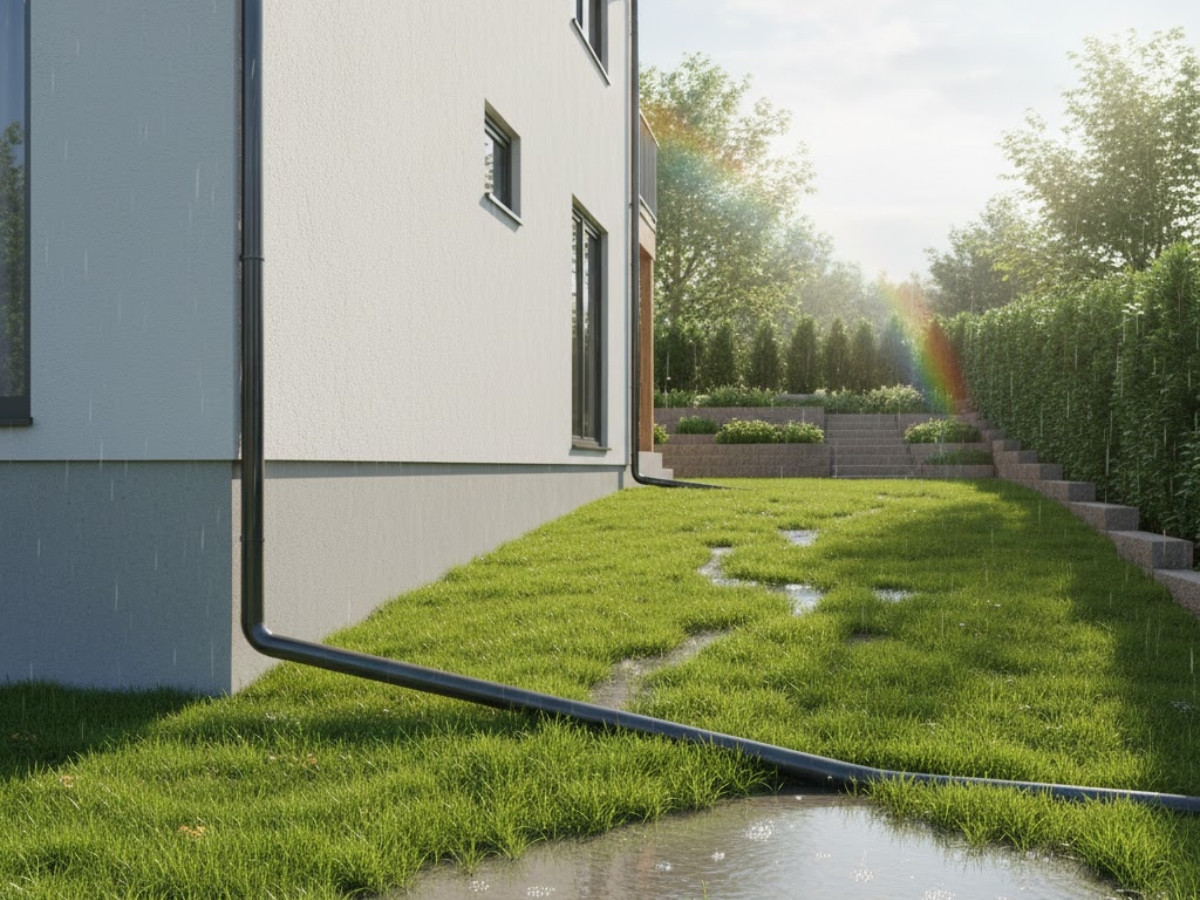
- Water that remains standing in your yard or near the foundation after rain suggests that the ground does not slope properly, preventing water from draining away from your home.
- Damp walls, water stains, or mold in basements and crawl spaces are strong signs that water is not being directed away from your house, allowing moisture to seep inside.
- Cracks in exterior walls, uneven floors, or shifting concrete often result from hydrostatic pressure caused by water collecting against the foundation over time.
- Soil erosion, such as gullies forming in the yard, washing away of topsoil, or uneven ground surfaces, indicates that water is not flowing as intended and can destabilize both landscaping and hardscape areas.
- Water pooling along walkways, driveways, or other hard surfaces is a clear sign that the area lacks proper drainage, and it often points to the need for yard grading for drainage to prevent concrete damage and reduce safety hazards.
- Overly saturated garden beds or plants struggling due to excess water suggest that surrounding areas are not directing runoff efficiently, causing water to accumulate where it shouldn’t.
- Gutters and downspouts that deposit water too close to the house worsen grading problems, increasing the risk of foundation and basement water infiltration.
The Role of Proper Yard Grading in Preventing Water Damage
A precise yard grading process establishes the correct ground slope, ensuring controlled water movement and supporting the drainage functions detailed in the sections below:
Prevents Soil Erosion and Protects Landscaping
Improperly directed water can erode topsoil, damage plants, and destabilize hardscape features such as patios and walkways. Proper home grading reduces the velocity of water across the yard, minimizing soil loss and maintaining the integrity of landscaping. By controlling how water moves across lawns and garden beds, homeowners can preserve soil health and prevent waterlogged areas that harm plant roots.
Enhances Stormwater Management
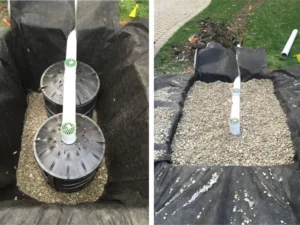
Well-planned yard grading works alongside drainage systems like gutters, French drains, swales, and retention areas to control water flow. By channeling excess water to designated exit points, it prevents pooling near patios, driveways, and landscaping beds. This proactive approach reduces surface erosion and protects vulnerable outdoor areas from repeated water damage.
Reduces Risk of Basement Moisture and Mold
Grading a yard to slope away from the home lowers hydrostatic pressure against basement walls, minimizing dampness in lower levels. Homeowners should also check for low spots near window wells or entry points, as these areas are particularly prone to water intrusion and mold growth. Proper attention here can safeguard both structural integrity and indoor air quality.
Supports Foundation Stability
Consistent, gradual slopes around the home prevent soil from shifting and eroding near the foundation. By avoiding water accumulation at the base of the house, grading limits settlement issues and cracks over time. Maintaining this stability ensures long-term protection for the property and reduces the need for costly foundation repairs.
Wrapping Up
Now that you understand how essential a proper yard grading system is for protecting your home, choosing the right expert becomes the next crucial step. If you are looking for the best yard drainage contractor and aren’t sure who to trust, My Landscape Contractor is your trusted partner. Our experienced team creates customized yard grading plans to ensure every slope and drainage path is optimized for maximum safety. Contact us today to schedule a consultation and safeguard your home from water damage for years to come.
Eliminate standing water issues effectively. Request expert yard grading and drainage support for your property today.
Frequently Asked Questions
1. How much slope is needed to protect my foundation from water damage?
A standard recommendation is a minimum 6-inch drop over the first 10 feet away from the foundation, creating a gentle positive slope that directs rainwater safely away from your home.
2. What are the most common signs of poor yard grading around a home?
Standing water near the foundation, damp or moldy basement walls, soil erosion, cracked or shifting concrete, water pooling along walkways or driveways, overly saturated garden beds, and gutters or downspouts draining too close to the house.
3. What is involved in the yard grading process?
The yard grading process includes leveling, sloping, and creating drainage paths to safely move water away from the house.
4. How can yard grading for drainage improve my landscape?
Yard grading for drainage prevents water accumulation, protects plants and lawns, and maintains a healthy, stable outdoor space.
5. Is grading a yard necessary if I already have a drainage system?
Yes. Grading a yard is the first step in effective landscape drainage, ensuring water flows away from the foundation before it reaches any drains. Without proper yard grading, even the best drainage system cannot stop pooling, erosion, or moisture seepage.